

What Is Cupping Therapy?
Benefits, Techniques, and Why It's Trending.
Cupping therapy is an ancient healing practice rooted in traditional Chinese and Middle Eastern medicine. It involves placing cups, often made of glass, silicone, or bamboo, on the skin to create a suction effect. This suction stimulates blood flow, reduces inflammation, and promotes healing.
Historically, cupping was used to treat various ailments, from pain and respiratory issues to digestive disorders. Its uses have evolved today, but the foundational belief remains the same: it facilitates the body's natural healing process.
Cupping therapy has existed for centuries. However, its popularity often surges when elite athletes like Michael Phelps, Adam Peaty, Katie Ledecky, and Nicolo Martinenghi sport those distinctive circular marks at the Olympics. A-list celebrities such as Gweneth Paltrow, Jennifer Aniston, and David and Victoria Beckham have also been seen with cupping marks over the years.
Beyond the spotlight, cupping therapy is embraced by wellness enthusiasts and alternative medicine seekers for its purported health benefits. But what exactly is cupping therapy, and why are so many people incorporating it into their wellness routines?
Whether you're an athlete seeking faster recovery, a wellness enthusiast exploring holistic health, or someone curious about alternative therapies, this post will discuss cupping therapy's benefits, techniques, and science.

The Benefits of Cupping Therapy
Why has cupping therapy stood the test of time? Advocates claim it offers many benefits, particularly for sports and wellness enthusiasts.
Pain Relief
Athletes often turn to cupping therapy for its pain-relieving properties. The suction the cups create reduces muscle tension, improves blood circulation, and brings oxygen-rich blood to the affected area. A 2015 study published in the Journal of Traditional and Complementary Medicine found that cupping helped alleviate chronic conditions like back and neck pain.
Faster Muscle Recovery
For high-performing athletes, recovery is just as important as training. Cupping therapy may speed muscle recovery by flushing out lactic acid build-up, reducing inflammation, and promoting relaxation in overworked muscles. This explains why it's become a go-to for competitive swimmers, runners, and gym-goers alike.
Improved Blood Circulation
By drawing blood to the surface, cupping therapy boosts circulation, which can help the body heal damaged tissues and eliminate toxins. Improved blood flow can also bring a glow to the skin, making it a popular self-care tool amongst wellness seekers.
Stress and Anxiety Reduction
The process of cupping, particularly when paired with techniques like moving cupping, can be deeply relaxing. It activates the parasympathetic nervous system, often called the "rest and digest" system, helping to calm stress and anxiety.
The Science Behind Cupping Therapy
One question often raised is whether cupping therapy has a solid scientific foundation. While research is ongoing, several studies highlight its effectiveness for specific conditions.
Pain Management:
A meta-analysis published in the Complementary Therapies in Medicine Journal, 2024 concluded that cupping therapy is a promising method in the treatment of chronic back pain in adults. However, more studies are needed to confirm its mechanism.
Improved Blood Flow:
A 2018 Traditional and Complementary Medicine journal study supported that cupping therapy enhances microcirculation, aiding muscle recovery and wound healing.

What to Expect During a Cupping Session
Curious about trying cupping therapy but unsure of what to expect? Here's a step-by-step guide to your first session:
Initial Consultation:
We will assess your health history and discuss specific focus areas, such as back pain or muscle recovery.
Cup Placement:
The practitioner will position the cups on your skin, creating suction through a manual pump or heat. Cups may remain stationary or be moved across the skin.
Session Duration:
Depending on your needs, the session can last 10 to 30 minutes. It's normal to feel a pulling or tight sensation during the process. Most people describe cupping as a deep-tissue massage.
Post-Session Care:
After cupping, circular marks may appear on your skin. These are not bruises but rather signs of blood flow stimulation. They typically fade in 3-7 days. Hydrate well and avoid strenuous activity for the next 24 hours.
Cupping Therapy in the Modern Wellness Landscape
From top athletes to wellness seekers, the integration of cupping therapy highlights a more significant trend towards holistic and preventative health practices. It can be a standalone treatment or a complementary tool that supports recovery, relaxation, and overall well-being.
Types of Cupping Therapy
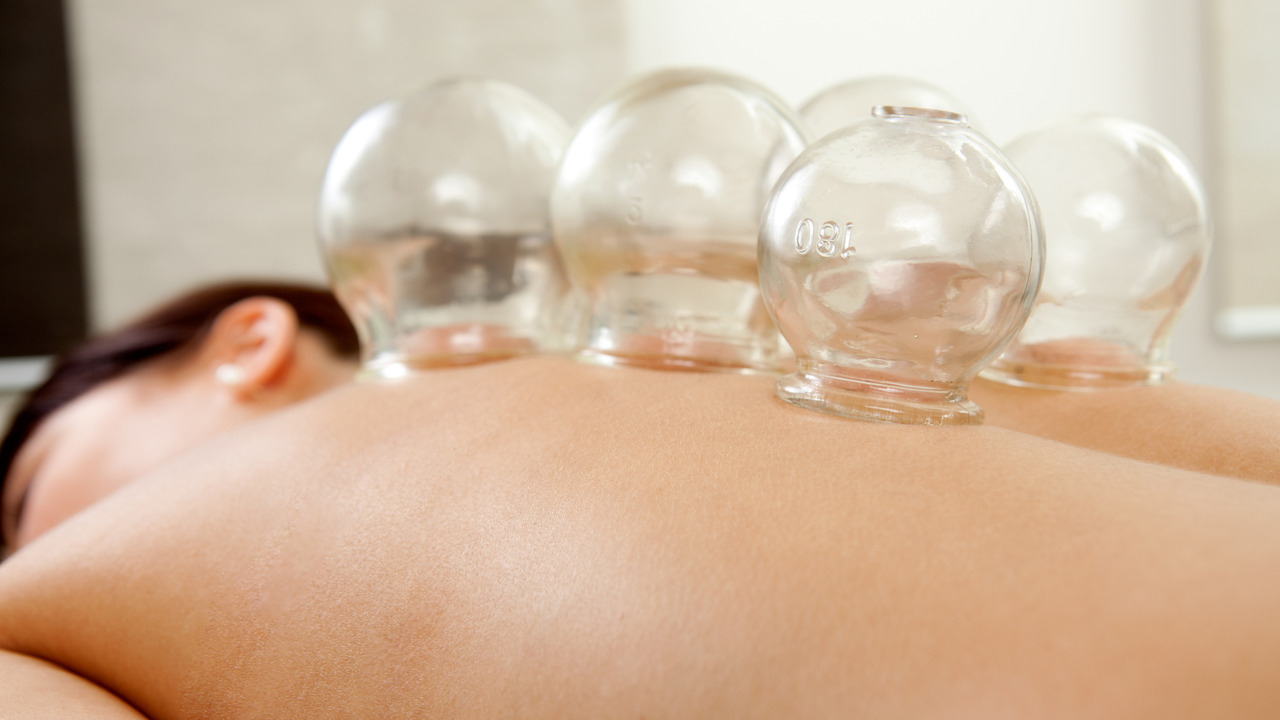
'Dry' Cupping:
The most common form where suction is created with or without heat. Cups are placed on the skin for 5-20 minutes.
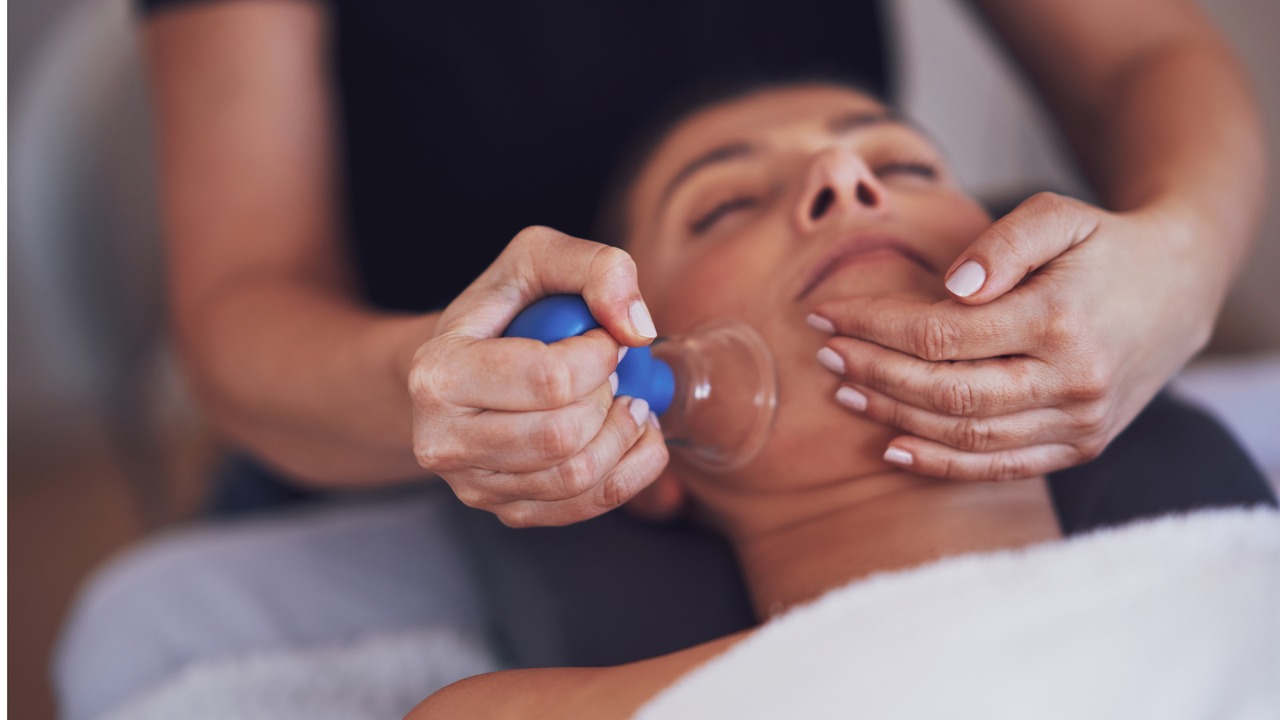
Moving Cupping:
A massage-like technique where cups are glided across lubricated skin to enhance circulation and relaxation.
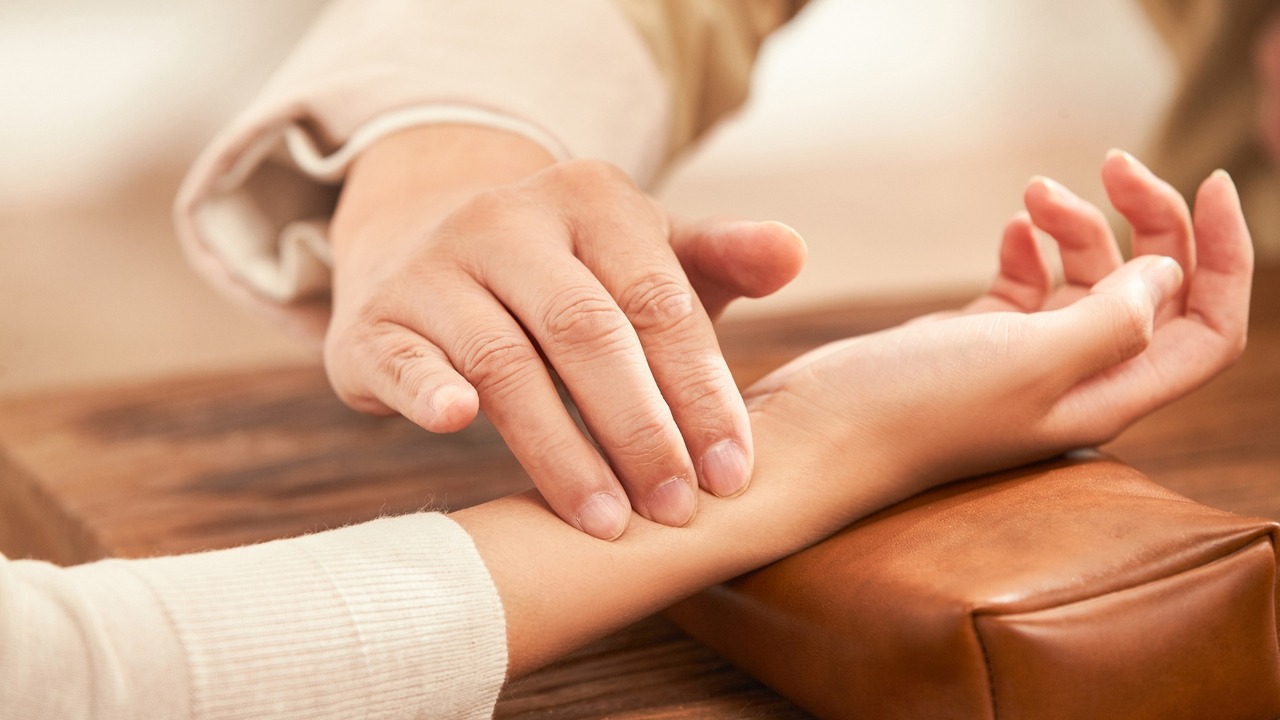
3rd
The most common form where suction is created with or without heat. Cups are placed on the skin for 5-20 minutes.
*We do not offer wet cupping